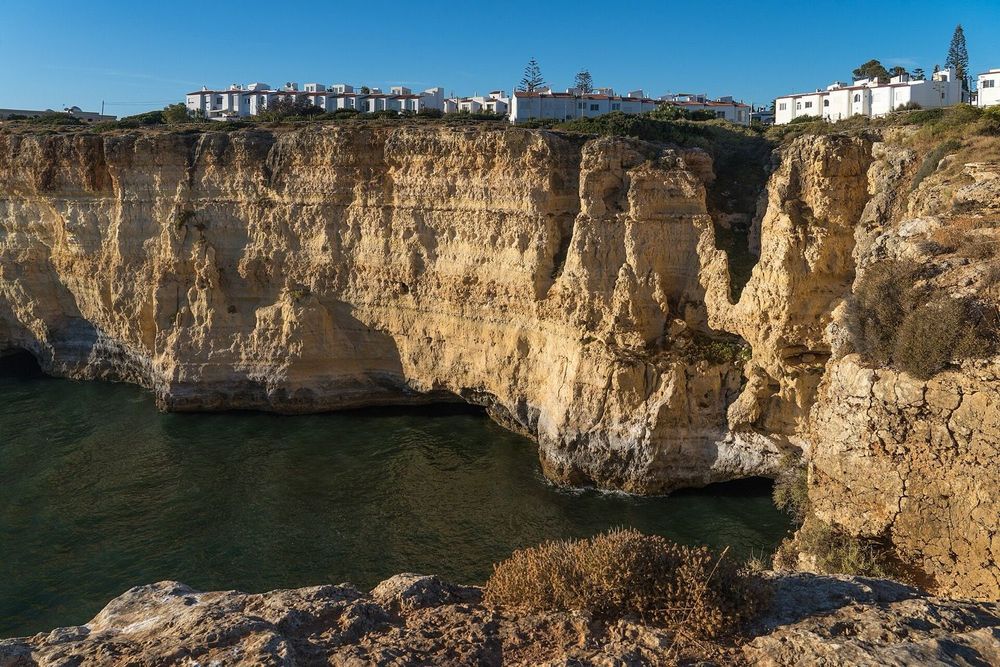
There is no single best time to visit the Algarve, only a best time for what you want from it. Come in August for the warmest sea and the busiest sand, in February for almond blossom and empty cliff trails, or in May for the version most locals would quietly pick: warm, bright and only half full. Once you know what each month actually feels like, the decision makes itself.
This guide is for anyone staring at flight prices and trying to work out which month to book. We will go season by season, then month by month, with honest numbers on heat, sea temperature, crowds and cost, and what each window is genuinely good for. The short version, if you read one line: aim for the shoulders, May to June or September to October.
Read on for the best time to visit the Algarve, and the trade-offs nobody mentions when they just say "summer". Once you have your dates, our guide to things to do in the Algarve covers what to fill them with.
Key Takeaways
- The sweet spot is the shoulder seasons, May to June and September to October: warm sea, far fewer people, lower prices →
- July and August bring the warmest water and the biggest crowds and bills →
- Spring is for wildflowers, hiking and quiet coves, but the sea is still cool →
- The eastern Algarve water warms earlier and stays warmer than the west →
- Winter is mild, green and cheap, with short days and some seasonal closures →
- Check the month-by-month table before you book flights →
The Short Answer: Aim for the Shoulders
If you want one recommendation, come in late May, June, September or early October. You get sea warm enough to swim, long sunny days, every restaurant and boat tour open, and a fraction of the August crush. Prices for flights and rooms sit well below peak, and the famous coves give you room to put a towel down.
High summer has the hottest sea and the surest sunshine, but you pay for it in crowds, traffic and cost. Winter is the bargain, mild and green, but the days are short and the water is cold. Spring and autumn split the difference, and that is why locals treat them as the real season.
"Ask anyone who lives here when to come and they will say May or September, never August. You get the same sea and half the people." - Guidekin team
Planning tip: Easter and the first week of August are the two spikes to avoid if you can. Prices jump and the central beaches fill by mid-morning.
Spring (March to May): Wildflowers, Empty Trails, Cool Sea
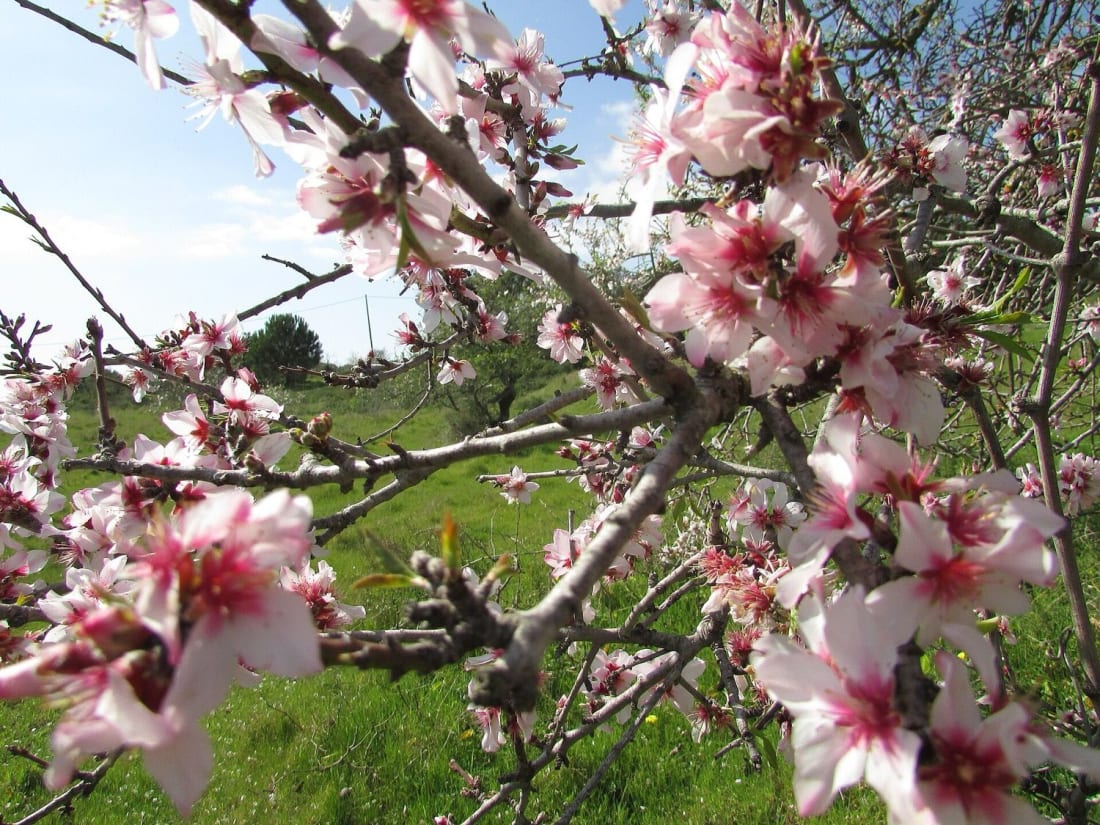
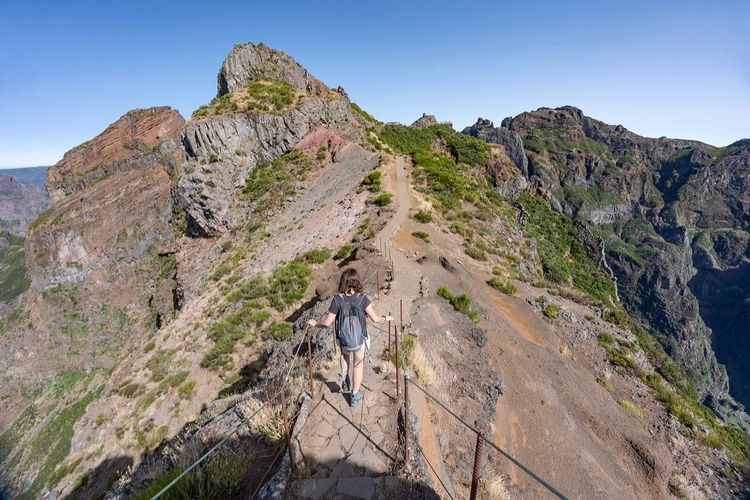
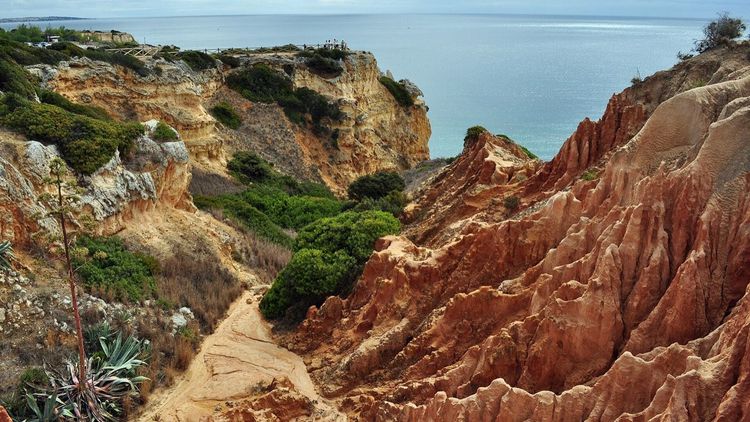
Photo: Kolforn ( Kolforn ) I'd appreciate if you cou, CC BY-SA 4.0 (Wikimedia Commons)
Spring is the Algarve at its greenest. By March the hills are loud with wildflowers, the amendoeiras (almond trees) have already blossomed in February, and the clifftop trails are dry, cool and almost empty. Daytime highs climb from around 19C (66F) in March to 23C (73F) in May, ideal for walking the clifftop trails or exploring the towns without the heat.
The catch is the water. The sea sits around 16 to 18C (61 to 64F) through spring, swimmable for the hardy but bracing for most. This is a season for hiking, cycling, birdwatching in the Ria Formosa (the eastern lagoon) and lazy beach days rather than long swims.
Local tip: April can throw a wet week, so pack a layer and a light jacket. The flip side is dramatic light and waterfalls running on the west coast.
Summer (June to August): Hot, Packed and Pricey
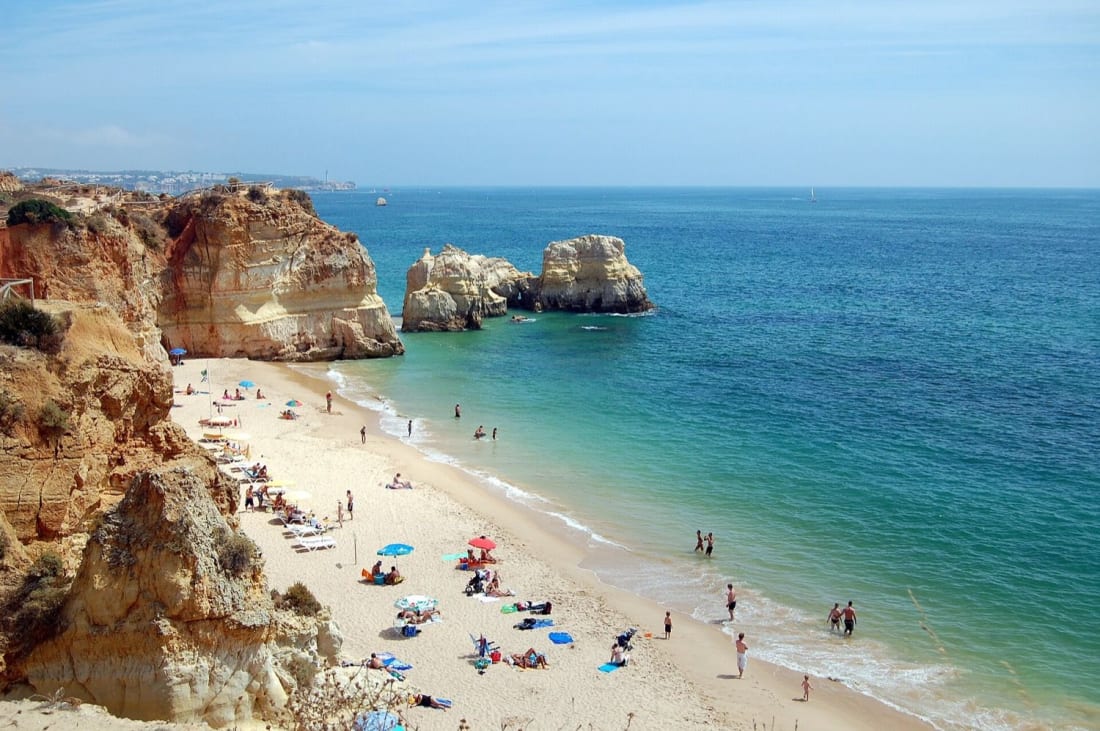
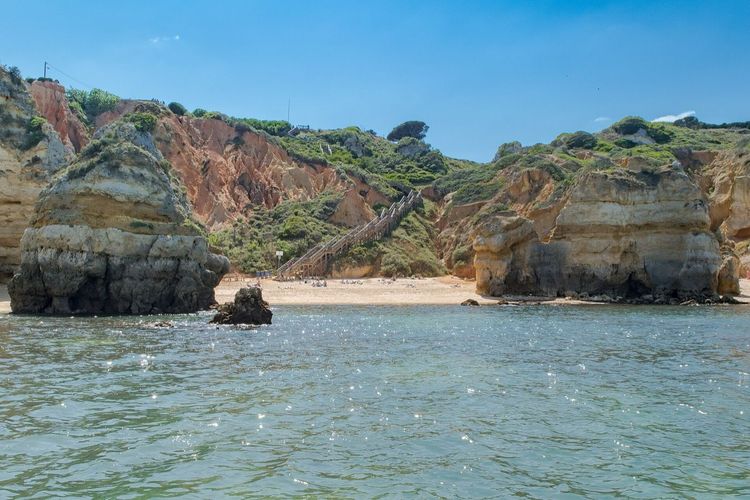
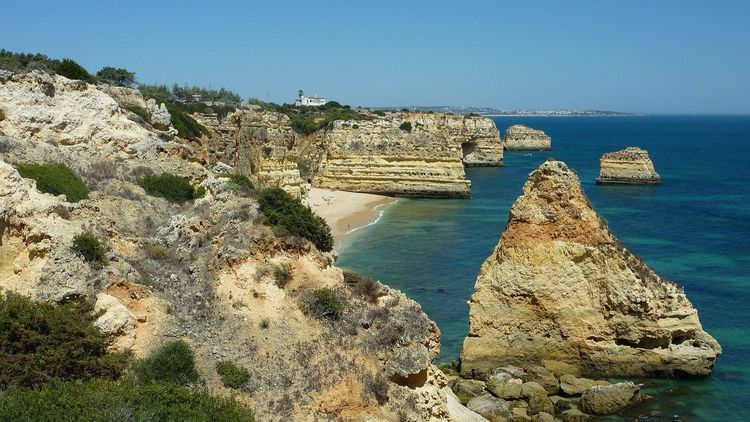
Photo: Steven Fruitsmaak, CC BY-SA 3.0 (Wikimedia Commons)
This is the postcard season, and everyone knows it. July and August bring near-guaranteed sun, highs of 28 to 30C (82 to 86F), and the warmest sea of the year. Every beach bar, boat tour and water park runs at full tilt, and the nights are long and lively.
The trade-offs are real. The central beaches around Lagos, Albufeira and Carvoeiro fill by mid-morning, the coast roads clog, and prices for flights, cars and rooms hit their peak. The cave at Benagil sees queues of kayaks; book early or go at dawn, and read our Benagil Cave guide before you do.
First time in peak season? Base yourself in the quieter east or west and day-trip to the famous middle, rather than sleeping in the busiest resort.
Planning tip: Book accommodation and car hire two to three months ahead for July and August. Last-minute summer prices on the Algarve are punishing.
Autumn (September to October): The Locals' Secret
If there is a single best month, many locals will tell you it is September. The sea is at its warmest after a summer of heating, the crowds thin out the moment the schools go back, and the heat softens to a comfortable 24 to 27C (75 to 81F). October stays warm and bright, with highs near 23C (73F) and water still around 20C (68F).
This is the window for everything at once: warm swims, open boat tours, long beach days and clear hiking weather, all without the August prices. Flights and rooms drop sharply from mid-September, and you can still find every restaurant open along the coast.
Detour: Late September is grape harvest in the Algarve's small wine country inland around Lagoa and Silves, a quiet add-on to a beach trip.
Winter (November to February): Mild, Green and Quiet
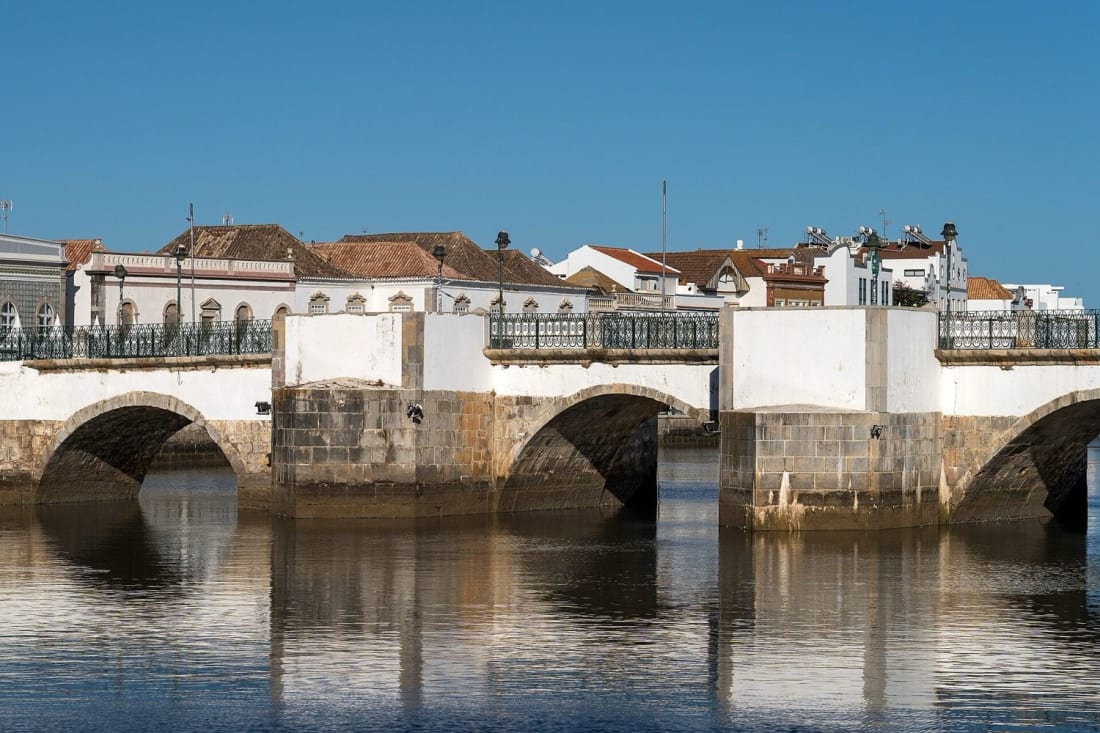
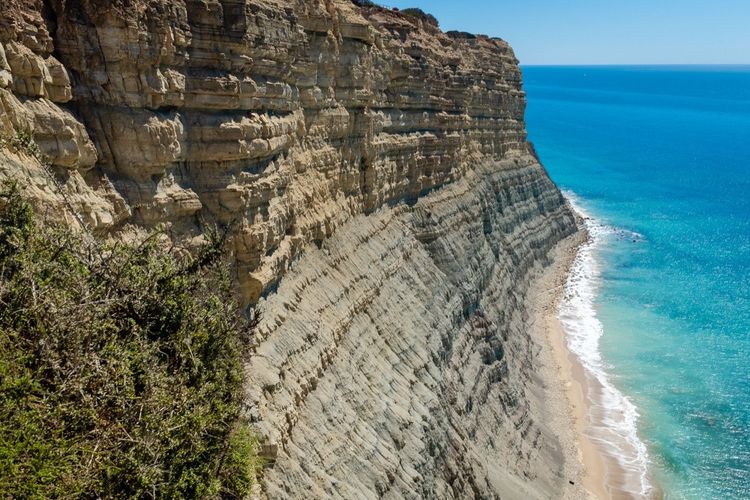
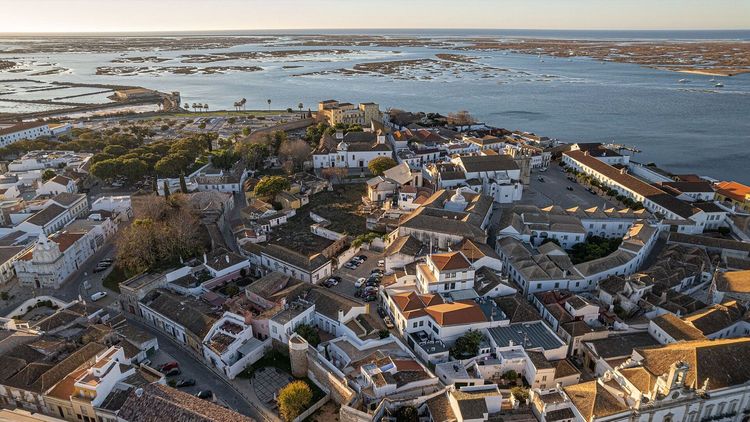
Photo: Alexkom000, CC BY 4.0 (Wikimedia Commons)
The Algarve has the mildest winter in mainland Europe, with highs around 16 to 17C (61 to 63F) and plenty of sunny days between the rain. The hills turn green, the orange trees fruit, and the beaches and trails are yours. It is the cheapest time to come by a wide margin, and the light is beautiful.
It is not a swimming holiday. The sea drops to around 15 to 16C (59 to 61F), some beach restaurants and boat operators close for the season, and the days are short. Come for walking, golf, birdlife, quiet towns and the almond blossom that opens in late January and February, not for a tan.
Local tip: December and February are excellent for hiking the coast in shirtsleeve weather, and you will often have the cliff paths entirely to yourself.
Sea Temperature: When the Water Is Actually Warm
The single most useful thing to know about Algarve water is that the two coasts run different temperatures. The southern, lagoon-sheltered east, the Sotavento around Faro and Tavira, warms up earlier and sits a couple of degrees warmer all year. The Atlantic-facing west, the Barlavento beyond Lagos and the whole west coast, runs cooler and rougher.
In practice the south coast sea is comfortable for most swimmers from June through October, peaking near 22 to 23C (72 to 73F) in August and September. The eastern islands off Faro and Tavira are the warmest, calmest water in the region and the best bet for early-season swimming in May and June. You can scout the lagoon and its islands on a Ria Formosa boat tour even before the water is swim-warm.
Crowds, Prices and Booking Windows
The Algarve's price and crowd curve follows the school calendar more than the weather. Peak is mid-July to the end of August, plus Easter week; this is when flights, car hire and rooms cost the most and the central beaches are busiest. Shoulder season, roughly May to mid-June and mid-September to October, is the value window, with warm conditions at off-peak prices. Winter is the cheapest, with the trade-offs above.
The boat tours that reach the caves and stacks, like the trips along the Benagil coast, run daily from spring to autumn and scale back in winter, so check operating dates if you are coming in the colder months.
The Algarve Month by Month
| Month | High °C (°F) | Sea °C (°F) | Crowds | Price | Verdict |
|---|---|---|---|---|---|
| Jan | 16 (61) | 16 (61) | Empty | Lowest | Mild, quiet, no swimming |
| Feb | 16 (61) | 15 (59) | Empty | Lowest | Almond blossom, hiking |
| Mar | 19 (66) | 16 (61) | Quiet | Low | Wildflowers, cool sea |
| Apr | 20 (68) | 17 (63) | Building | Mid (Easter spike) | Spring walks, fresh |
| May | 23 (73) | 18 (64) | Moderate | Mid | Sweet spot starts |
| Jun | 26 (79) | 20 (68) | Busy | Mid-high | Warm, long days |
| Jul | 29 (84) | 22 (72) | Packed | Peak | Hot, crowded |
| Aug | 29 (84) | 23 (73) | Packed | Peak | Warmest sea, busiest |
| Sep | 27 (81) | 22 (72) | Easing | High then dropping | The local favourite |
| Oct | 23 (73) | 20 (68) | Quiet | Mid | Warm, calm, great value |
| Nov | 19 (66) | 18 (64) | Quiet | Low | Mild, green, short days |
| Dec | 16 (61) | 16 (61) | Empty | Low | Quiet, sunny spells |
Festivals and Events Worth Timing For
The calendar gives you a few good reasons to pick one week over another. February brings the amendoeiras em flor (almond blossom) across the hills and Carnival parades in towns like Loulé, one of the oldest in the country. Easter is busy and traditional, with processions winding through the old quarters.
Summer is festival season. Coastal towns hold sardine festivals through July and August, the air thick with grilled fish and music, and the Silves Medieval Fair turns the old Moorish capital back to the twelfth century for ten days in August. Autumn quiets down into grape and chestnut harvests inland around Lagoa, Silves and Monchique.
Local tip: If a festival is your reason to come, book a room weeks ahead. The towns that host them, especially small ones like Silves, fill far beyond their usual capacity.
Practical Tips
- Best overall: Late May to June and September to early October for the warm-sea, low-crowd balance.
- Best for a bargain: November to February for the lowest prices, if you do not mind a cool sea.
- Best for swimming: July to September on the south coast; the eastern islands first, since they warm earliest.
- Best for hiking: March to May and October to December, when the cliff trails are cool and quiet.
- Watch the spikes: Easter week and the first half of August are the busiest, priciest windows.
- Check the forecast: For reliable weather and sea data before you pack, the national service IPMA is the source to trust over generic apps.
FAQ
What is the best month to visit the Algarve?
For most people, May, June, September or early October. The sea is warm enough to swim, the days are long and sunny, every restaurant and boat tour is open, and prices and crowds sit well below the July and August peak.
When is the Algarve cheapest?
November to February by a wide margin, with the lowest flight and accommodation prices of the year. Outside winter, the shoulder weeks of May and late September offer near-summer weather at noticeably lower cost than peak.
Is the sea warm enough to swim in the Algarve?
On the south coast, comfortably from June through October, peaking near 23C (73F) in late summer. The eastern islands off Faro and Tavira warm up earliest, while the Atlantic-facing west stays a few degrees cooler all year.
What is the weather like in the Algarve in winter?
Mild for Europe, with highs around 16 to 17C (61 to 63F), plenty of sun between rain spells, and green hills. It is excellent for hiking, golf and quiet towns, but too cool for swimming and with shorter days.
When is the Algarve least crowded?
From November to February the coast is genuinely quiet, and even the shoulder months of late September, October and May feel calm compared with high summer. Avoid Easter week and early August for the biggest crowds.
Pick the Month, Then the Coast
The Algarve rewards a little timing. Decide what matters most, warm sea, low prices, empty trails or peak buzz, and the month follows. For most travellers the answer is a shoulder-season week in May, June or September, when the coast gives you almost everything summer does with room to enjoy it. When your dates are set, line up the best beaches in the Algarve to match the season you have chosen.
Cover photo: Alexkom000, CC BY 4.0 (Wikimedia Commons)