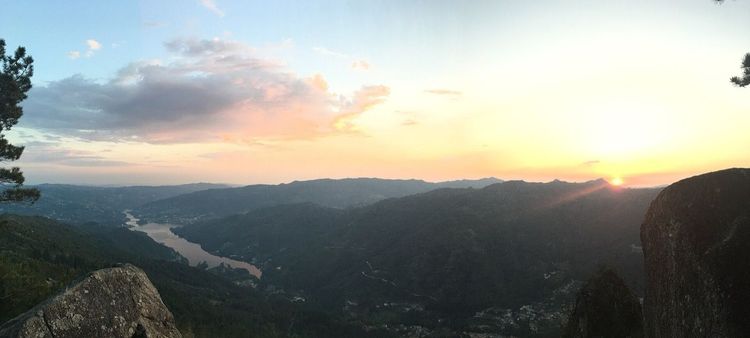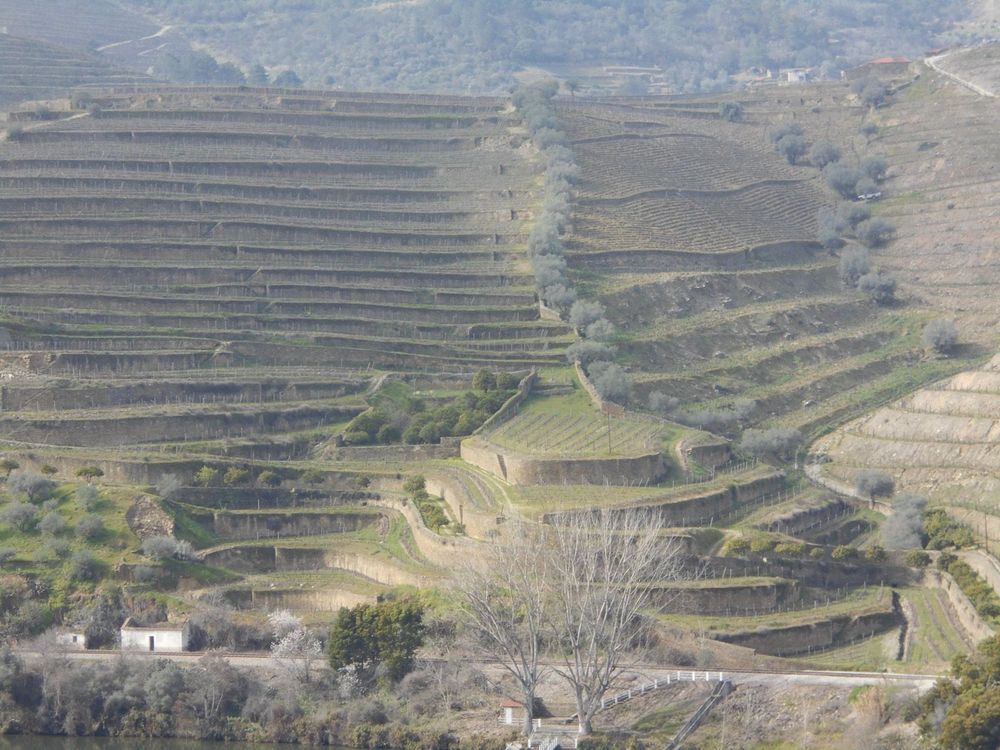
Follow the river inland from Porto and the city falls away into something extraordinary: steep hillsides carved into thousands of stone terraces, vines stacked from the waterline to the sky, and a slow green-brown river winding through it all. This is the Douro Valley, the oldest demarcated wine region on earth and the birthplace of port, and it is the single best day or two you can add to a trip to Porto. In autumn the terraces turn gold and red and the whole valley smells of crushed grapes. It is wine country, but it is scenery first. Come for the glass, and stay for the view.
Most people see it as a long day trip, racing out and back in a van. You can do far better. Here is a local's guide to the Douro Valley: how to actually get there from Porto, whether to take the train, the boat or the wheel, where to taste the wine, and why you might want to stay the night. For the city itself, pair this with our Porto Ribeira guide and our Porto in 2 days itinerary.
Read on for the valley's story, the best way in, the wine estates, and when to come.
Key Takeaways
- The Douro is the world's first demarcated wine region and a UNESCO landscape of hand-built terraces. Why it's special →
- Reach it from Porto by scenic train, the famous N222 road, or a guided tour; the train is the best value. How to get there →
- Visit a quinta (wine estate) for a port and Douro wine tasting, ideally one with a view. Visiting a quinta →
- A river cruise on a rabelo boat from Pinhão is the loveliest hour on the water. The river cruise →
- Day-trip if you must, but a night in the valley is what people remember. Day trip or stay →
What Makes the Douro Special
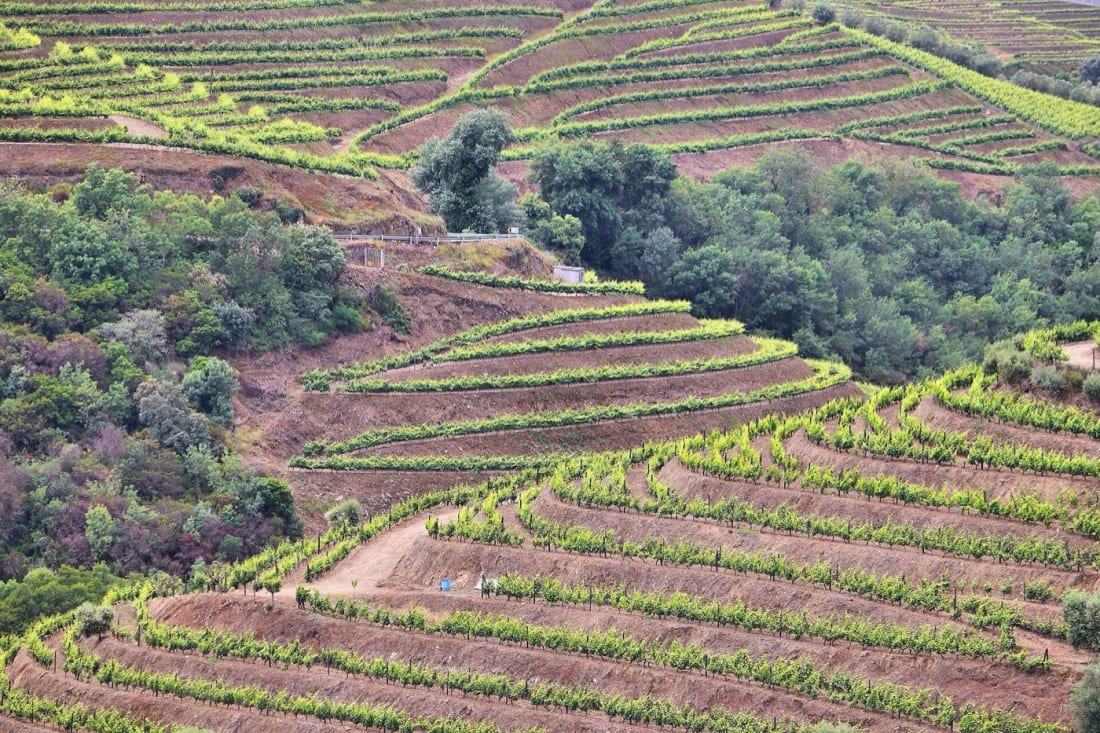
Photo: Marek Ślusarczyk (Tupungato), CC BY 3.0 (Wikimedia Commons)
The numbers tell part of it. In 1756, the Marquês de Pombal drew a boundary around these hills with 335 granite pillars, the marcos pombalinos, and created the world's first legally demarcated wine region, almost a century before Bordeaux or Champagne did the same. In 2001, UNESCO listed the Alto Douro Wine Region, some 24,600 hectares across 13 municipalities, recognizing more than two thousand years of winemaking and one of the most dramatic man-made landscapes anywhere.
The rest you feel when you see it. Every one of those terraces was cut and walled by hand from hard schist rock, generation after generation, to grow vines on slopes too steep for anything else. From that brutal effort come two wines: port, the sweet fortified wine aged down in the Gaia lodges across from Porto, and increasingly the dry, serious Douro DOC reds and whites that now stand on their own. Native grapes like Touriga Nacional, Tinta Roriz and Touriga Franca give them a depth the world is finally noticing. The river itself runs some 900km from central Spain to Porto, but it is this 100km or so of Portuguese gorge, where the slopes climb from the water at gradients no machine can work, that does the magic. Much of the grape harvest here still goes to port, the fortified wine that built Porto's fortunes downstream, while a growing share becomes the dry reds and whites now earning the Douro a place on serious wine lists around the world.
Local tip: Read the landscape as you go. The newer terraces with vertical rows (vinha ao alto) and the old, narrow stone-walled ones (socalcos) tell the story of centuries of hand labor on these slopes. Once you see it, the wine in your glass tastes like the place.
How to Get There from Porto
The Douro begins about an hour and a half east of Porto and unfolds along the river from there. The wine country proper runs for roughly 100km upstream, from around Mesão Frio to the Spanish border, but the classic and most beautiful stretch is the 25km or so between Régua and Pinhão. You have three good ways in, and the smartest trips combine them.
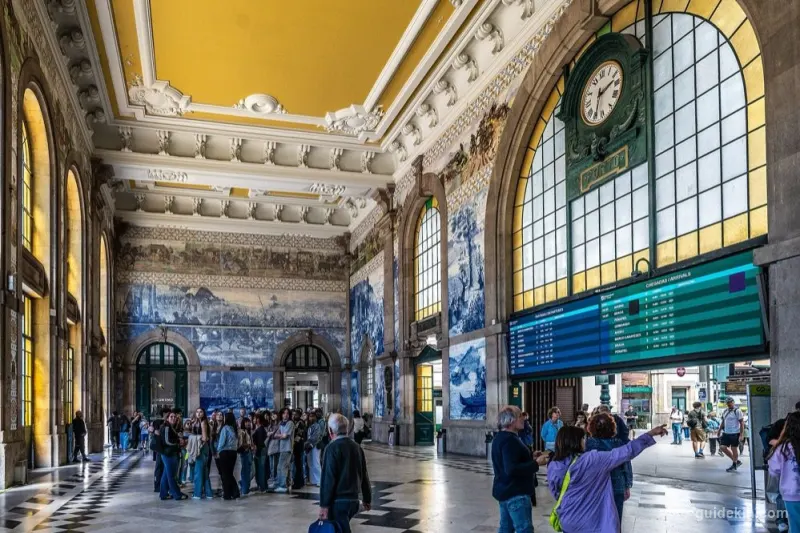
By train is the classic, and our pick for value and views. From Porto's São Bento station, the Linha do Douro railway runs to Peso da Régua (about two hours) and on to Pinhão (about two and a half), and the final stretch hugs the riverbank so closely you could almost trail a hand in the water. It is cheap, scenic and stress-free, and Pinhão's little station is famous for its blue azulejo tile panels of the harvest. Trains run only a handful of times a day and cost very little, around €15 each way to Pinhão, which makes it one of the great travel bargains in Portugal.
By car means driving the N222, the roughly 27km road between Régua and Pinhão that was voted the best drive in the world in 2015, a ribbon of switchbacks above the river with a viewpoint at every bend. By guided tour, you let someone else handle the wheel, and a typical day from Porto bundles two winery visits and tastings, a short river cruise and that scenic drive into one. Group day tours run roughly €80 to €120 per person including lunch and tastings, while small-group or private trips cost more for fewer people and a pace you control.
Planning tip: The dream combination is to go one way and return another. Drive or tour out along the N222, then take the slow train back as the light softens on the river, or ride the train up and join a short cruise. You get the road, the rails and the water in a single day.
Visiting a Quinta
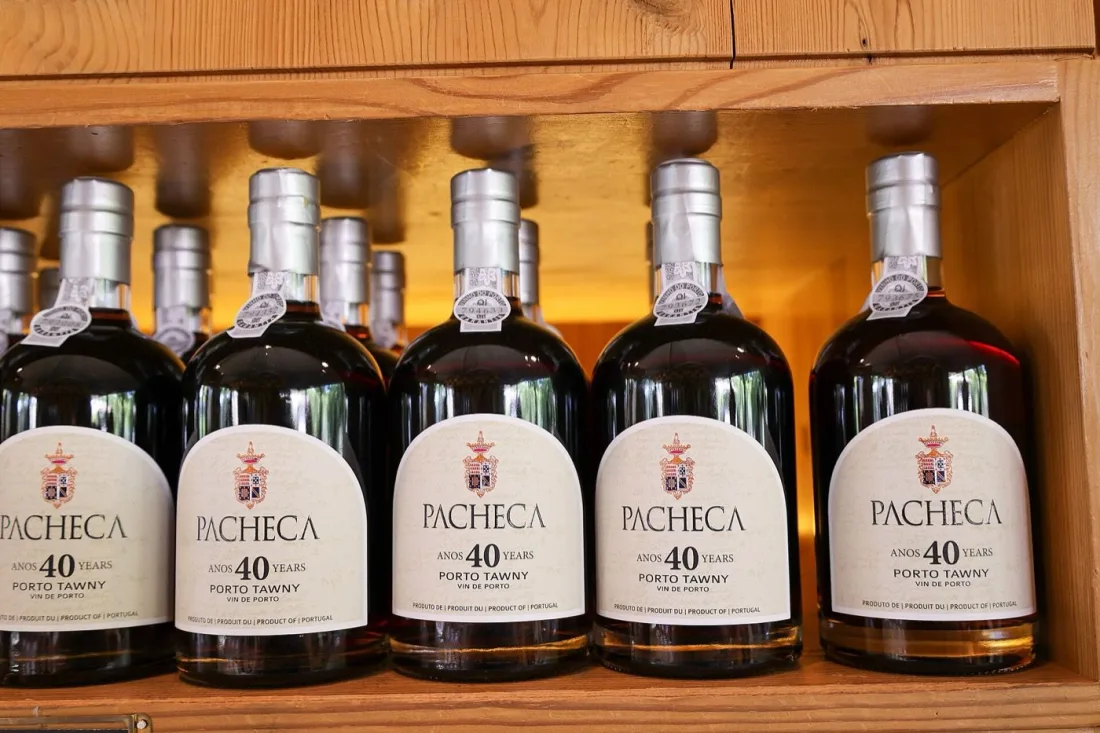
Photo: flowcomm, CC BY 2.0 (Wikimedia Commons)
The heart of a Douro visit is a quinta, a wine estate, and there are hundreds terraced into the hills. Most welcome visitors for a tour and tasting that walks you through the difference between port (from the sweet, fortified vinho do Porto you know to bone-dry whites) and the modern Douro DOC table wines, usually with the valley spread out below the terrace.
Book one or two, not five. A relaxed tasting with lunch and a view beats a rushed circuit of estates, and many of the famous names sit within easy reach of Pinhão and Régua. Big port houses like Quinta do Bomfim (Symington) and Quinta do Seixo (Sandeman) run polished visits with grand river terraces, while smaller family estates such as Quinta do Crasto or Quinta Nova trade scale for intimacy and some of the valley's best Douro reds. A standard tour with a tasting of three or four wines runs roughly €15 to €25, and many estates add a vineyard lunch for a little more. In September, a handful of quintas still invite visitors to tread grapes barefoot in the granite lagares (treading tanks) the old way, usually with dinner and music to follow, one of the most memorable things you can do in the valley. Even outside harvest, most estates pour their wines on a terrace with the river far below, which turns a simple tasting into the kind of slow, golden hour you came to Portugal for. Compare options among Douro Valley wine tours or browse the estates and trips around the Douro Valley before you commit.
"If you can, time your tasting for late afternoon and stay for the light. Watching the sun drop behind the terraced hills with a glass of ten-year tawny in hand is the Douro at its absolute best." - Guidekin team
The River Cruise
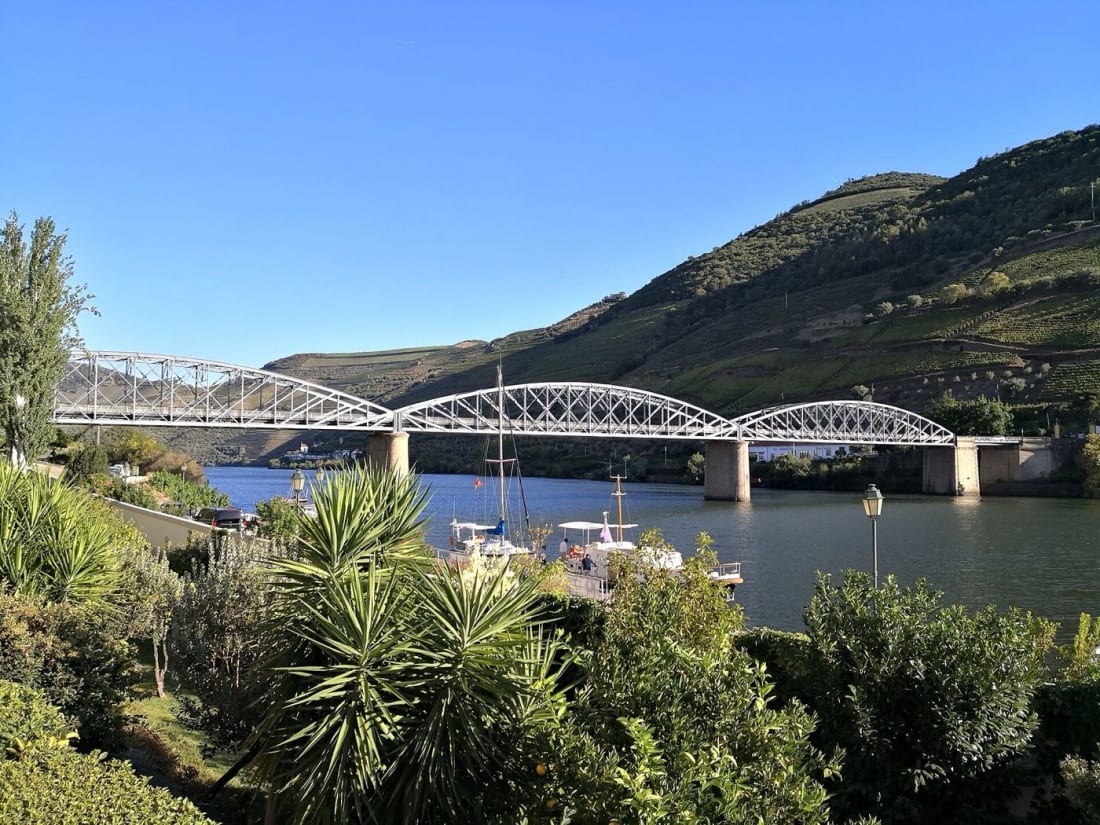
Photo: Sanjorgepinho, CC BY-SA 4.0 (Wikimedia Commons)
The Douro was a working river long before it was a scenic one, and the rabelo (the flat-bottomed boat that once carried port barrels downstream) is still its symbol. The easiest way onto the water is a short one or two-hour cruise from the pier at Pinhão, drifting past the terraces at the pace they deserve. A one-hour trip runs about €15 to €20, and two hours, with a glass of port in hand, not much more. It is some of the best money you will spend in the valley.
For something grander, full-day cruises run all the way from Porto up to Régua, a journey of around 100km that threads the river's five dams and their giant locks, including the towering 35m drop at the Carrapatelo dam, one of the deepest in Europe. The smart move is to cruise up one way, which takes most of a day, and take the two-hour train back so you are not retracing the same water. Compare the sailings among the region's boat tours and river cruises.
The Towns: Pinhão, Régua and Lamego
You do not come to the Douro for cities, but three towns anchor a visit. Pinhão is the postcard heart, a tiny riverside town of barely a few hundred people wrapped in vineyards; its little railway station, decorated in 1937 with some two dozen blue azulejo panels of the harvest, is one of the most photographed in the country. Peso da Régua, larger and busier, is the valley's working capital and home to the Museu do Douro (opened 2008), the place to understand how the wine and the river shaped each other over the centuries.
Up on the hill, Lamego is worth the climb for one sight: the baroque sanctuary of Nossa Senhora dos Remédios, reached by a monumental zigzag staircase of 686 steps, tiled and statue-lined, one of Portugal's great theatrical churches. The most devoted pilgrims still climb the steps on their knees during Lamego's huge September festival, among the oldest and liveliest religious celebrations in northern Portugal.
Detour: For the view that ends up on everyone's camera roll, drive up to the Miradouro de Casal de Loivos above Pinhão, or the Miradouro de São Leonardo de Galafura near Régua. From Casal de Loivos you stand perhaps 500 meters above the water, with the whole horseshoe of Pinhão's vineyards curling below, while São Leonardo de Galafura is the spot the poet Miguel Torga famously called the work of God and man together. Both look straight down the river's great bends, and both are free.
Day Trip or Stay the Night?
You can day-trip the Douro from Porto, and many do, but it is a long day with a lot of transit, and the valley is at its most magical at the hours a day-tripper misses: the soft light of early morning and dusk, when the coaches have gone.
If you can spare it, stay a night. The valley is full of quinta hotels and small guesthouses with terraces over the river, from simple family places at modest prices to the famous luxury of the Six Senses Douro Valley near Lamego, where a single night can cost more than a week elsewhere. The point is less the price than the waking up: mist on the vines, coffee on a veranda over the river, and nowhere you have to be. Waking up to mist burning off the vineyards, with a tasting and a swim and nowhere to be, is the version of the Douro that people fall in love with. Day-trippers see the river. Those who stay see the light. A night in the valley also lets you eat properly, where the riverside restaurants pair grilled meats and fresh river fish with the local reds at prices the city left behind long ago.
Local tip: A car helps if you stay, since the quintas and viewpoints are scattered along the slopes with little public transport between them. If you would rather not drive the wine country, base in Pinhão, walkable and on the train line, and let cruises and tours come to you.
A Day in the Douro
If you only have one day, here is the version that makes the most of it. Catch an early train from São Bento, around 8 or 9am, and ride the two-and-a-bit hours up the river to Pinhão, watching the valley narrow and the terraces climb higher with every mile. From the pier, take a one-hour rabelo cruise to see the vineyards from the water, then head to a nearby quinta for a tour and a tasting over a long lunch, with the river far below.
In the afternoon, drive or taxi up to the Miradouro de Casal de Loivos for the classic view down the river's bends, then catch a late-afternoon train back to Porto as the light turns the terraces gold. It is a full day, but spent mostly on rails and water rather than stuck in a van, and it gives you the river, the wine and the view without a single traffic jam. No driving. No parking. Just the valley.
Planning tip: Book the Pinhão cruise and the quinta tasting before you travel, and check the return train times the night before. The Linha do Douro runs only a handful of services a day, and missing the last good one back means a long wait on a quiet platform.
The Douro at a Glance
| How to visit | Detail | Time | Note |
|---|---|---|---|
| Train from São Bento | Porto to Régua / Pinhão | ~2 to 2.5 hrs | Cheapest, very scenic |
| N222 road | Régua to Pinhão drive | ~3 hrs with stops | "World's best road" (2015) |
| Guided day tour | 2 quintas, tasting, cruise, drive | full day | Easiest, no driving |
| Rabelo river cruise | From Pinhão pier | 1 to 2 hrs | Best on the water |
| Stay a night | Quinta hotels, Pinhão | 1 to 2 days | The version to remember |
When to Go
The Douro has two golden seasons. September and October are the classic choice, when the vindima (grape harvest) is in full swing, the vines turn gold and crimson, and some quintas still let visitors tread grapes the old way. Spring, from April to early June, is the other sweet spot, all green terraces, wildflowers and mild weather, with the almond blossom whitening the hills as early as February and March.
Avoid the deep heat of midsummer if you can, when inland temperatures regularly soar past 35°C, well above the breezy coast, and the midday light goes harsh and flat. Whatever the season, the valley is quietest, and loveliest, early and late in the day, so plan your tastings and viewpoints for the soft hours.
Practical Tips
- Combine your transport. Train one way, road or cruise the other, for the best of all three.
- Book quintas ahead. Tastings, especially at the well-known estates and in harvest season, need reserving.
- Limit yourself to two estates. A relaxed tasting beats a rushed crawl; leave time for lunch and a view.
- Stay a night if you can. The early and late light is the whole point, and day-trippers never see it.
- Drive carefully on the N222. The bends are tight and the views are distracting, so let a passenger take the photos.
- Come for the harvest. September brings the vindima, the best and busiest time to see the valley working, so book your trains, tastings and rooms well ahead.
FAQ
Is the Douro Valley worth visiting from Porto?
Absolutely. It is the world's oldest demarcated wine region, a UNESCO landscape of terraced vineyards, and the home of port, all about ninety minutes from the city. It rewards a day trip and even more an overnight stay.
What is the best way to get to the Douro Valley?
Short version: take the train. The scenic line from Porto's São Bento station to Régua or Pinhão is cheap, gorgeous and needs no planning beyond a ticket. Driving the N222 is the most flexible, and a guided tour is easiest if you want to taste without worrying about the wheel. The ideal, if you can swing it, is to combine train, road and a short cruise.
How long does it take to get to the Douro Valley from Porto?
About 90 minutes to the start of the valley, and roughly two hours by train to Régua or two and a half to Pinhão, the two main hubs. By car along the river it is a similar time before you add stops, and a guided day tour usually runs nine or ten hours door to door, so it is a full day either way.
Do you need a car in the Douro Valley?
Not if you base in Pinhão, which is walkable and on the train line, and let cruises and tours reach you. A car helps if you want to roam the scattered quintas and viewpoints freely, but the wine country is not the easiest place to drive.
When is the best time to visit the Douro Valley?
September and October for the grape harvest and golden vines, or spring (April to June) for green terraces and mild weather. Midsummer is hot and harsh-lit, so aim for the shoulder seasons.
Should you do the Douro as a day trip or stay overnight?
A day trip works and is popular, but it is long, often nine or ten hours door to door, and you miss the best light. If you can, stay a night at a quinta or in Pinhão to catch the valley at dawn and dusk, when it is at its most beautiful. Even a single overnight changes the trip completely.
Can you visit the Douro Valley without drinking wine?
Easily. The scenery, the river cruise, the train ride and the viewpoints are reason enough to come, and most quinta tours are as much about the landscape and history as the tasting. The Douro is a feast for the eyes first, the glass second.
Let the River Lead You Inland
The Douro is what Porto is made of: the river, the wine, the gold-terraced hills the whole story flows from. Take the train up the gorge, taste a wine where its grapes grew, and watch the light move across the terraces from a quinta veranda. It is close. It is cheap. And it is unforgettable. When you are ready to plan, browse Porto and Douro Valley tours and experiences and build the trip around the river. For the bigger picture, the official Visit Portugal site and the UNESCO listing for the Alto Douro are good next reads.