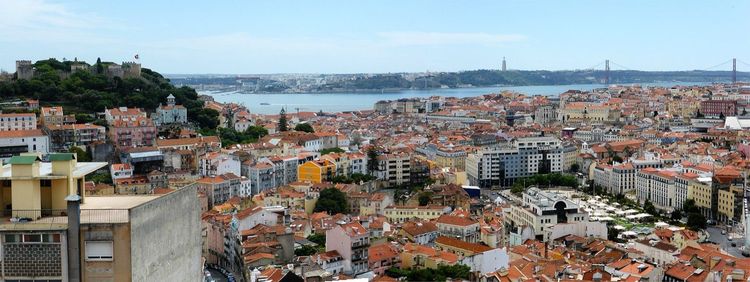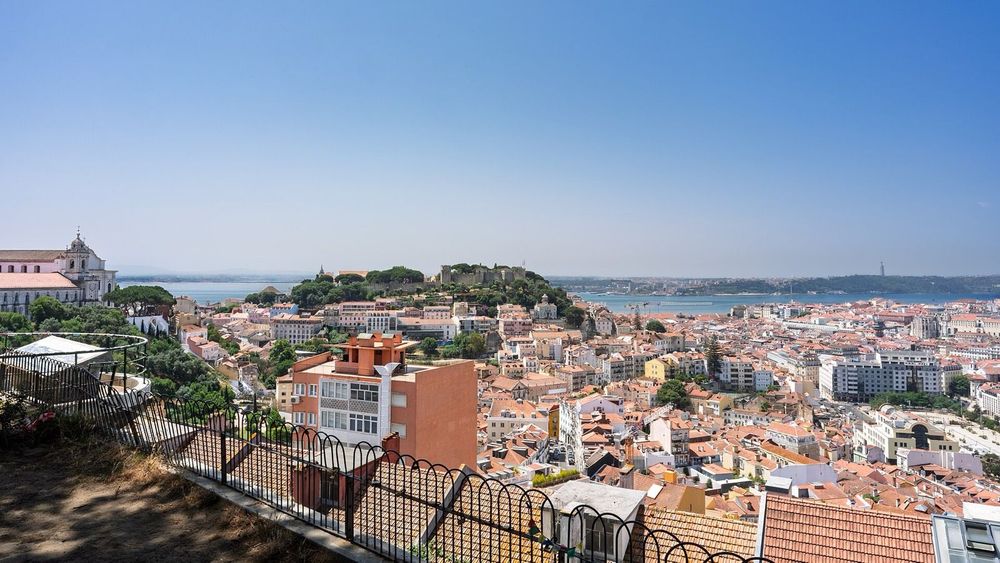
Lisbon runs on sunshine. The city claims around 2,800 hours of it a year, more than almost any capital in Europe, and that light shapes everything from the price of your hotel to whether you queue an hour for Tram 28. Time your trip well and you get warm terraces, a swimmable sea and room to breathe. Time it badly and you get August prices, packed miradouros (viewpoints) and a sun that drives everyone indoors by mid-afternoon.
The short answer is that late spring and early autumn are the sweet spots, with May, September and early October giving the best balance of weather, crowds and cost. But Lisbon is a year-round city, mild even in winter, so the right month depends on what you want from it. This guide breaks down the weather, crowds, prices and festivals month by month, with real temperatures from Portugal's IPMA weather service. Pair it with our complete Lisbon travel guide to plan the rest of the trip.
Read on for the season-by-season breakdown, a month-by-month temperature table, and the windows worth booking before everyone else does.
Key Takeaways
- May, September and early October are the sweet spot: warm, sunny and far calmer than peak summer. The best windows →
- July and August are hot and the priciest, with highs near 29°C (84°F) and the city at its most crowded. Summer, honestly →
- Winter is mild, wet in spells and the cheapest time of year, with the city back in local hands. Off-season Lisbon →
- Beach weather runs roughly June to early October, with the sea warmest in late summer. When to swim →
- Check the festival calendar first, because June's street parties fill every bed in town. Festivals and events →
The Best Time to Visit Lisbon, at a Glance
If you want one answer, go in May, September or early October. These shoulder-season months hand you warm, dry days in the low-to-mid 20s Celsius (low 70s Fahrenheit), a sea warm enough to swim in, long daylight hours, and hotel prices well below the July peak. The crowds are there but manageable, and the Lisboetas (Lisbon locals) are still out on the esplanadas (pavement cafe terraces) rather than fleeing the heat.
What makes these months work is the combination, not any single factor: daytime warmth that rarely tips into real discomfort, water finally warm enough for a swim, blue skies broken only by the occasional passing shower, and a city still running on local time rather than in full tourist mode.
Spring and autumn beat summer for almost everyone. You skip the worst of the August prices and the cruise-ship surges, you walk the hills without wilting, and you still get beach days. The one catch is that May and late September now draw savvy crowds of their own, so book a month or two ahead to lock in the good rooms.
Travel for a specific reason? The calendar shifts. Beach lovers want July to early September for the warmest sea, bargain hunters want January and February, and anyone chasing the city's famous June street parties has to accept peak prices to be here for them. The rest of this guide takes it season by season, so you can match the month to the trip you have in mind.
Spring (March to May): The City Wakes Up
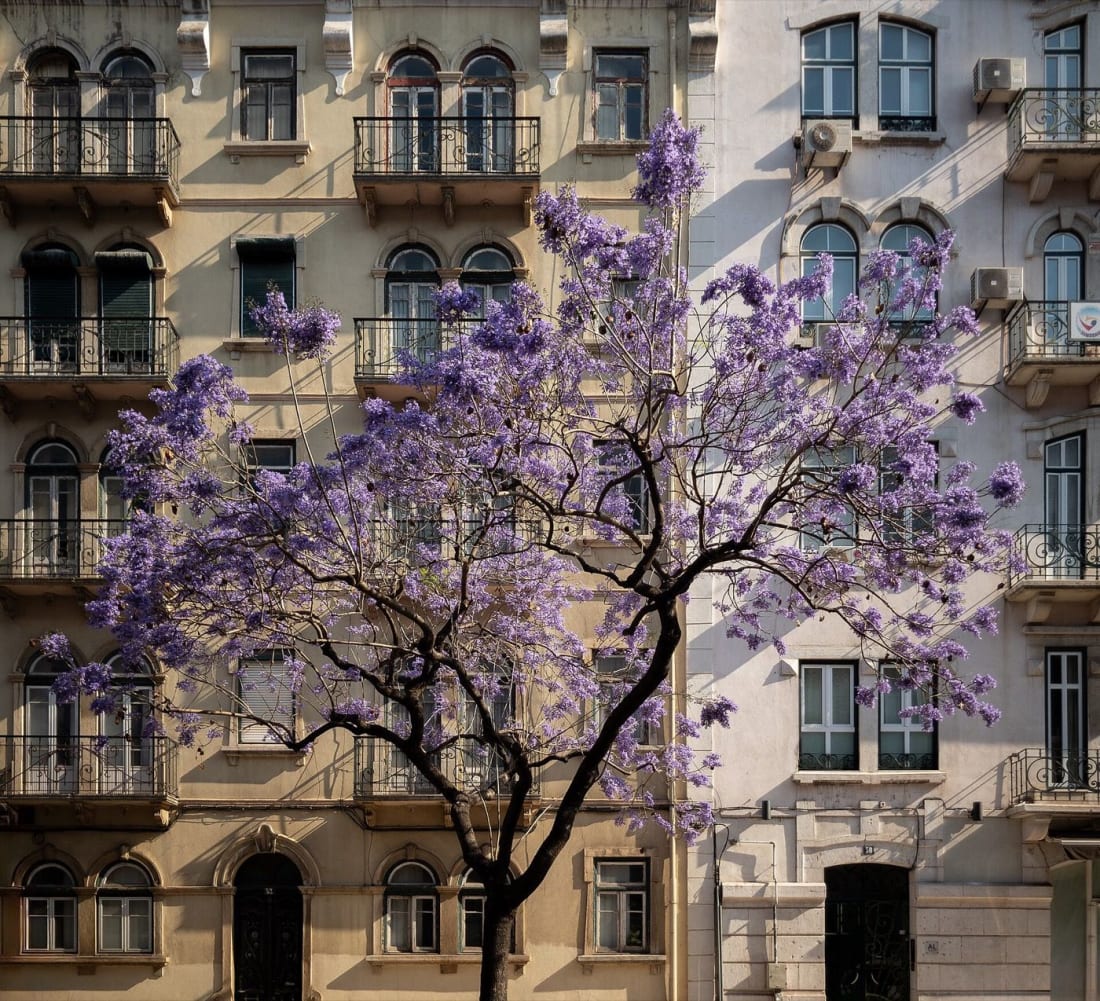
Photo: Jules Verne Times Two, CC BY-SA 4.0 (Wikimedia Commons)
Spring is Lisbon at its freshest. March still carries a chill and the odd shower, with highs around 19°C (66°F), but by April the city is in bloom and the light turns golden. The headline act is the jacaranda trees, which drape the avenues in lilac flowers from late April into June, turning squares like Praça do Príncipe Real a soft shade of purple.
By May, highs reach a near-perfect 23°C (73°F), the terraces fill, and the evenings are warm enough to eat outside without a jacket. The rain eases off, the Atlantic starts to lose its winter chill, and the first proper beach days arrive. For balance of weather, light and crowds, this is arguably the best single month to come.
March is the gamble of the three, swinging between grey, blustery days and the first true blasts of spring sun, while April settles into a reliable rhythm of bright mornings and mild, flower-scented afternoons that make it a favorite for walking the hills. Easter week, whenever it falls, brings a brief spike in visitors and prices, so check the dates if you are travelling on a tight budget.
Local tip: Spring weather is changeable, so pack layers and a light rain shell even in May. Mornings can start cool and grey before burning off into a bright afternoon, and the sea stays bracing until June.
Crowds build through spring but stay short of summer levels, and prices sit comfortably in the mid-range. If you can travel in only one season, make it this one. Use the mild days for the city's hills, and save a clear afternoon for the best day trips from Lisbon, when Sintra's gardens are at their greenest.
Summer (June to August): Hot and Heaving
Summer is loud, hot and expensive, and for many people that is exactly the appeal. June opens with the city's biggest party, highs climb to 26°C (79°F), and the beach season hits full swing. Then July and August arrive in earnest, with highs around 28°C to 29°C (82°F to 84°F), almost no rain, and a sun that empties the streets between 2pm and 5pm.
This is peak season in every sense. Hotel prices reach their yearly high, the queues for Tram 28 and the Santa Justa lift stretch long by mid-morning, and cruise crowds pour through Baixa and Alfama. Many Lisboetas leave town for the coast or the Alentejo, so the center can feel handed over to visitors.
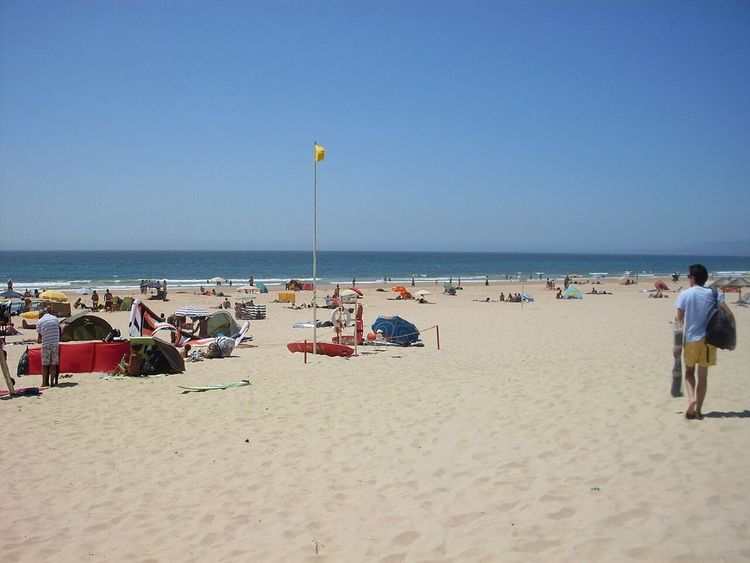
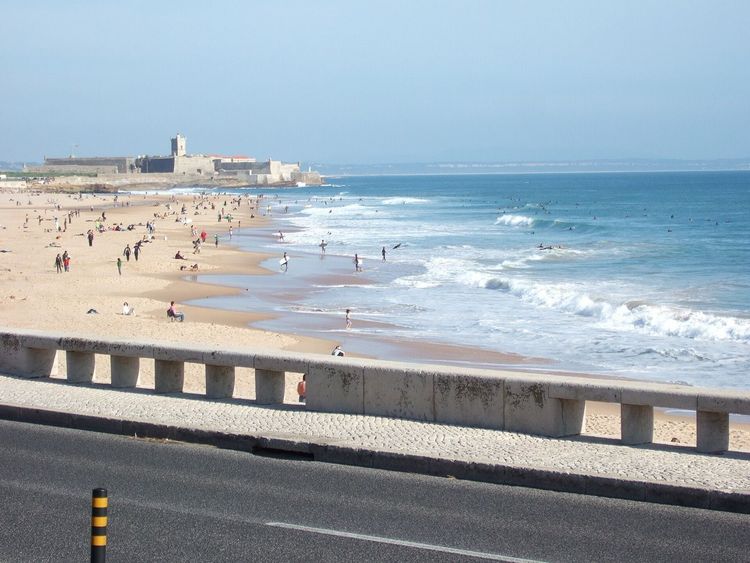
The payoff for enduring the heat is the coast. The train from Cais do Sodré reaches the sheltered town beaches of Cascais in about 40 minutes, while a ferry-and-bus hop drops you on the long Atlantic sands of Costa da Caparica, where the water is bracing but the surf and the beach bars more than make up for it. The hilltop neighborhoods catch what breeze there is, while the enclosed grid of Baixa can trap the heat by afternoon, one more reason to choose your base with the season in mind.
Planning tip: If you come in summer, start early and rest at midday like the locals do. Hit the miradouros and the monuments before 10am, retreat for a long lunch and some shade through the worst heat, then come alive again after 6pm when the city does. Book accommodation two to three months ahead.
Summer has real upsides: the warmest sea of the year, easy beach trips to Cascais and Caparica, rooftop bars, and daylight that lasts past 9pm. Dinner here rarely starts before nine, and fado (Lisbon's wistful, century-old song) drifts from the doorways of Alfama late into the warm night, so the hours you lose to the midday heat you win back twice over after dark. If you can take the heat and the prices, the energy is hard to beat. Just choose a base wisely, since not every room has air conditioning. Our guide to where to stay in Lisbon flags the cooler, calmer neighborhoods to aim for.
Autumn (September to October): The Sweet Spot
If spring is fresh, autumn is mellow, and many regulars rate it the best time of all. September keeps summer's warmth, with highs near 27°C (81°F) and a sea that is finally at its warmest after months of sun, but the crowds thin sharply once the first week passes and the school holidays end. Prices follow the crowds down.
October stays kind, with highs around 23°C (73°F), golden afternoons and the year's clearest light for photographs. The first rains usually hold off until late in the month, so you still get long stretches of dry, walkable weather. Beach days remain realistic well into October on the warmer afternoons. Our full guide to Lisbon in October has the exact numbers, the clock change and what to pack.
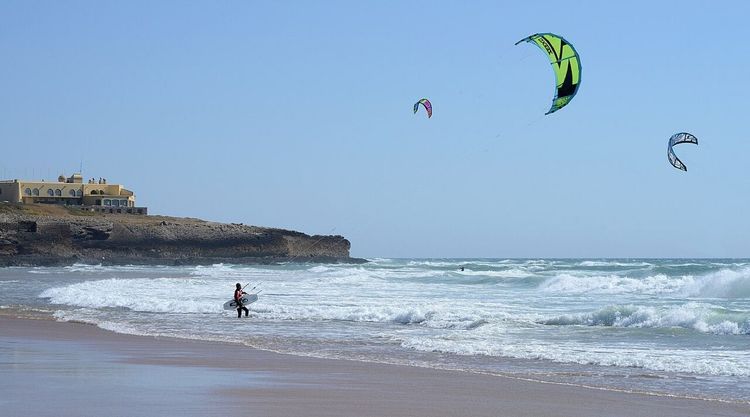
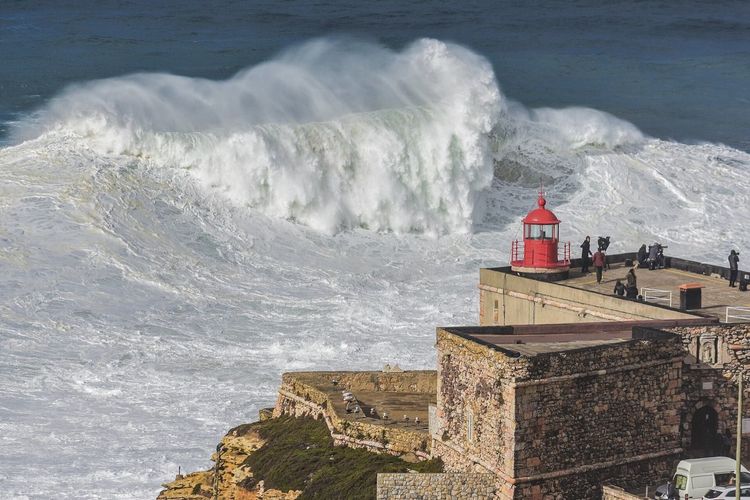
October is also when the Atlantic swell returns and the surf beaches west of the city come into their own, so a trip out to Guincho or Carcavelos can pair a long lunch with an afternoon of watching the waves roll in. Inland, the lower sun and softer temperatures make the gardens and palaces of Sintra far more comfortable to explore than they ever are under the August glare.
"September is our quiet secret. The sea is at its warmest, the light is gold, and the crowds have just gone home. If you can, come then." - Guidekin team
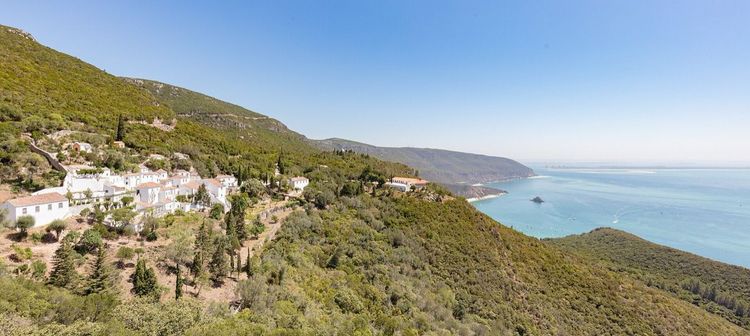
Detour: Late September and October are harvest time in the wine country around Lisbon. A day out to the Arrábida hills or up the Tagus pairs perfectly with the season, the vines turning russet and the cellars busy with the new vintage.
Autumn is the shoulder season at its best: warm enough for the coast, calm enough to enjoy the city, and priced well below summer. Book ahead for September, which has quietly become as popular as it deserves to be.
Winter (November to February): Mild and Cheap
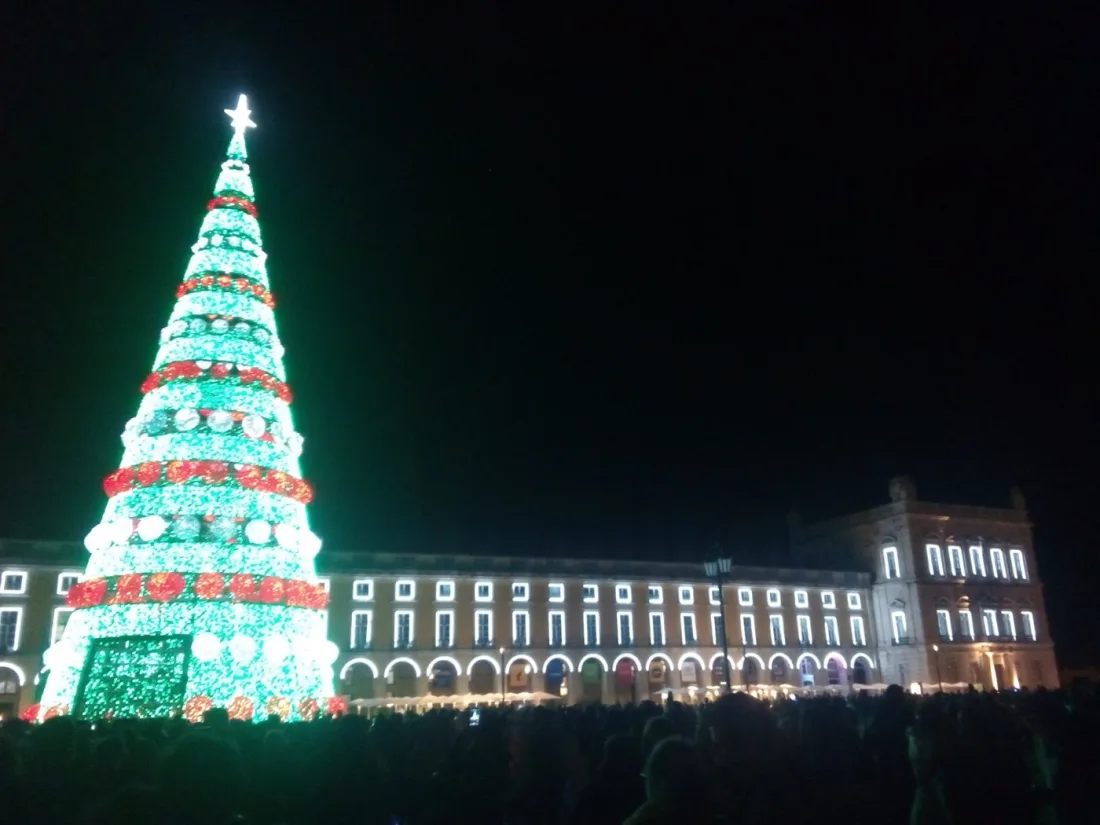
Photo: RickMorais, CC BY-SA 4.0 (Wikimedia Commons)
Lisbon's winter surprises people. This is the mildest capital in mainland Europe, with January highs still around 15°C (59°F) and plenty of bright, crisp days between the rain. It is genuinely wet, with November through February bringing the year's heaviest showers, but cold snaps are rare and snow essentially unheard of.
What you trade in weather you gain in everything else. Prices fall to their lowest, the museums and miradouros empty out, and the city returns to the Lisboetas. December brings Christmas lights along the main avenues and Christmas markets in squares like Rossio, while the New Year fireworks over the Tagus draw a big, happy crowd to the riverfront.
This is the season to lean into the indoors. The fado houses feel made for a wet winter night, the long lunches stretch happily into the afternoon, and the queues that plague the big sights in summer all but vanish. February brings Carnival in the run-up to Lent, a smaller affair than Brazil's but a lively excuse for a parade, and the almond trees start to blossom in the countryside beyond the city.
Planning tip: Pack a proper rain jacket and shoes with grip, because the famous calçada (mosaic cobblestone) pavements turn slick and treacherous when wet. Line up indoor backups, from the tile museum to a long lunch, for the days the rain settles in.
January and February are the quietest, cheapest months of all, ideal if you want the city without the crowds and don't mind gambling on the weather. You won't be swimming, but you will have the tascas (taverns) and the fado houses largely to yourself, and the low prices stretch a trip a long way.
Lisbon Weather Month by Month
Here is the year at a glance, with average daytime highs from Portugal's IPMA weather service. Use it to match the month to the kind of trip you want.
| Month | Avg high | Sea | Crowds | Best for |
|---|---|---|---|---|
| January | 15°C (59°F) | Cold | Lowest | Bargains, quiet city |
| February | 16°C (61°F) | Cold | Low | Bargains, empty museums |
| March | 19°C (66°F) | Cool | Low | Fresh air, fewer crowds |
| April | 20°C (68°F) | Cool | Building | Blooms, mild walking |
| May | 23°C (73°F) | Warming | Moderate | The all-round sweet spot |
| June | 26°C (79°F) | Pleasant | High | Festivals, long days |
| July | 28°C (82°F) | Warm | Peak | Beaches, heat, top prices |
| August | 29°C (84°F) | Warmest | Peak | Beaches, nightlife |
| September | 27°C (81°F) | Warmest | High, easing | Warm sea, thinning crowds |
| October | 23°C (73°F) | Mild | Moderate | Golden light, value |
| November | 18°C (64°F) | Cooling | Low | Quiet, mild, wet spells |
| December | 15°C (59°F) | Cold | Low to moderate | Christmas markets |
Figures are long-term averages, so any given week can run warmer or cooler.
Festivals and Events Worth Timing Your Trip Around

Photo: Joseolgon, CC BY-SA 4.0 (Wikimedia Commons)
Lisbon's calendar can make or break a visit, and one month towers over the rest. In June the city throws the Santos Populares (festivals of the popular saints), peaking on the night of June 12 into the 13th for Santo António, Lisbon's own patron saint. Alfama, Mouraria and Graça fill with grilled sardines, pots of manjerico (sweet basil), paper decorations and music until dawn. It is the best night of the Lisbon year, and the busiest, so book months ahead.
Beyond June, late spring brings the Peixe em Lisboa food festival and a run of indie events, while autumn carries festivals of film and culture as the city settles back down. December lights up for Christmas, with markets in Rossio and a giant tree on the riverfront, and the year ends with fireworks over the Tagus on New Year's Eve.
Two other dates are worth knowing, for very different reasons. In early November, the giant Web Summit technology conference brings tens of thousands of delegates to Parque das Nações and pushes hotel prices to summer levels for a single week, so leisure visitors should either avoid it or book far ahead. And across the whole of June, the wider Festas de Lisboa wrap the saint's-day parties in a month of concerts, open-air cinema and the marchas populares, the costumed neighborhood parades that file down Avenida da Liberdade.
Local tip: If the June festivals are your goal, stay in or near Alfama or Mouraria to be in the thick of it, but expect noise until sunrise. For everyone else, those same dates are the one time we would steer you to a quieter base across town. The official Visit Lisboa calendar lists exact dates each year.
When to Find the Best Prices
Money tracks the weather in Lisbon. Hotel and flight prices peak from June to August, dip in the May and September-to-October shoulders, and bottom out in January and February. The gap between an August and a January room can be dramatic, often more than half.
If you are watching the budget, aim for late autumn or winter, or grab the very start of the shoulder season in early May before prices climb. Midweek stays beat weekends almost year-round, and booking two to three months ahead locks in the best rooms for the busy months.
As a rough strategy, watch flights and rooms separately. Airfares swing hardest around the school holidays and the festival peak, so flexibility of even a few days can cut the cost sharply, while room rates respond more to the broad season than to the exact date. One wrinkle catches people out: the Web Summit week in early November can briefly cost more than mid-August despite the grey skies, so a glance at the conference calendar can save you a small fortune.
Planning tip: The single most expensive window is the June festival fortnight and the height of August. The best value with reliably decent weather is the second half of October, when summer warmth lingers but peak pricing has gone. Compare a few neighborhoods too, since a smart central base can cost far less than a riverside view, and once you arrive a small-group walking tour is the cheapest way to see a lot fast.
Practical Tips
- Weather swings: Even in summer, Atlantic Lisbon cools off at night and the wind picks up on the coast, so carry a light layer. In winter and spring, a packable rain jacket beats an umbrella in the gusts.
- Beach season: The sea is swimmable from roughly June to early October, warmest in August and September. Outside that window, the beaches are for walking, not swimming.
- Booking windows: Reserve two to three months ahead for the June festivals and for July and August. Winter and the shoulder months are far more forgiving, often bookable just weeks out.
- Sun and heat: The summer sun is strong. Borrow the local rhythm of an early start, a shaded midday break and a late evening, and keep water on you.
- Getting around in any season: A rechargeable Navegante card (single rides about €1.90) covers trams, Metro and the funiculars rain or shine, and the train to Sintra or Cascais runs year-round.
FAQ
When is the best time to visit Lisbon?
Late spring and early autumn, especially May, September and early October. You get warm, dry weather and a swimmable sea without the peak-summer crowds and prices.
What is the cheapest time to visit Lisbon?
January and February are the cheapest months, with the lowest hotel and flight prices. Late autumn and the very start of May also offer good value with kinder weather.
What are the hottest months in Lisbon?
July and August, with average highs around 28°C to 29°C (82°F to 84°F) and very little rain. The sun is strong, so locals start early and rest through the worst of the midday heat.
Is Lisbon worth visiting in winter?
Yes. Winter is mild for Europe, with highs near 15°C (59°F), the lowest prices of the year, empty museums and Christmas markets in December. Just pack for the rain.
When can you swim at the beaches near Lisbon?
The sea is comfortable for swimming from about June to early October, warmest in August and September. Costa da Caparica and Cascais are an easy trip from the city in those months.
When is Lisbon most crowded?
During the June festivals and across July and August. Book well ahead for those dates, or choose the shoulder months for a calmer and cheaper trip.
So, When Should You Go?
For the best all-round trip, book Lisbon for May, September or early October and you will rarely regret it: warm days, a swimmable sea, manageable crowds and fair prices. Come in summer for the beaches and the buzz if you can take the heat and the cost, choose the gentle shoulder weeks of April or late October to dodge both the crowds and the bills, or come in winter for low prices and a city that feels like its own again. There is, in truth, no genuinely bad time to see Lisbon, only different versions of the same generous, sun-washed city. Whenever you land, browse our handpicked Lisbon tours and build the days around the season you have chosen.